Interior finishing
"D&D repainted our whole main floor — walls, ceilings, and all the trim. The cut lines are razor sharp and there's not a drop of paint anywhere it shouldn't be. The house feels brand new."
Lisa & Mike G.
Read this testimonialWhat is interior painting in Elmira?
Plan an Elmira interior repaint by listing walls, ceilings and trim separately from cabinets, with preparation, products and access agreed for the surfaces you want changed. D&D Interior Services. Call (519) 501-5003.
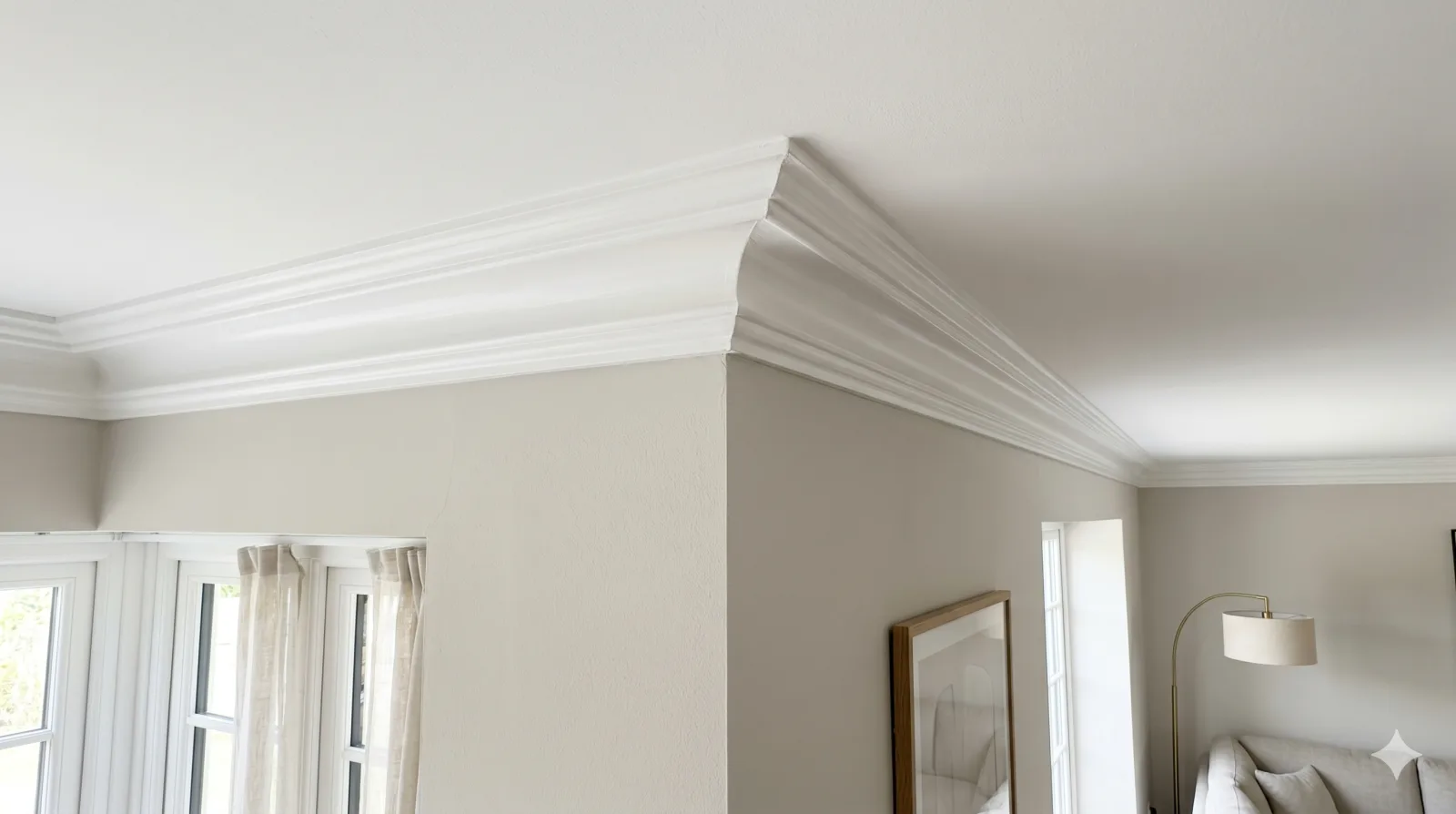
Plan an Elmira interior repaint by listing walls, ceilings and trim separately from cabinets, with preparation, products and access agreed for the surfaces you want changed.
Keeping useful cabinets while changing their finish can be worth discussing, but the starting condition matters. Cabinet faces, frames, hardware and everyday kitchen use need a more detailed plan than a wall colour change.
Dents, loose coatings and uneven repairs can remain visible beneath new paint. Cleaning, patching and suitable priming address different conditions before the decorative coats are applied.
Sheen changes how light reflects from a wall. Flatter finishes can soften the appearance of minor imperfections, while more reflective finishes create a different look on doors and trim; care requirements depend on the product.
Walls, ceilings, doors and cabinetry are separate surfaces with different preparation needs. A clear quote identifies what is being painted and which finishes remain, avoiding a refreshed wall beside unexpectedly unfinished trim.
Walls, ceilings, trim, doors and cabinets are different painting surfaces. Patching, sanding, priming and the final coating need to be identified separately in the work description.
For an Elmira kitchen or a home elsewhere in Woolwich, describe the actual cabinets, room arrangement and daily use. Include whether another area is available for food preparation and where removed contents can be stored. An older bungalow and a newer room may need different work; neither description establishes the coating condition.
Use the full interior painting guide alongside the Elmira property guide. For adjoining work, discuss wall repairs before painting before agreeing the finishing boundary.
In our clients’ words
Interior finishing
"D&D repainted our whole main floor — walls, ceilings, and all the trim. The cut lines are razor sharp and there's not a drop of paint anywhere it shouldn't be. The house feels brand new."
Interior finishing
"We had them refinish our dated oak kitchen cabinets instead of replacing them. The finish is so smooth you'd swear they were new. Saved us thousands and the kitchen looks ten years younger."
Interior finishing
"Tidy, on time, and respectful of our home from start to finish. They covered everything, cleaned up every day, and helped us pick colours we never would have chosen on our own. We love the result."
Review preparation, colour, sheen and products separately for walls, doors and cabinets, with any repairs recorded before painting.
Review coverage and the included components, then confirm careful handling, hardware or contents replacement and cleaning against the installed products’ instructions.
Provide a whole-kitchen view and close photographs of worn edges, existing finish and hardware. Record what you hope to retain.
Identify cupboards to empty, furniture to move and rooms that must stay usable. Agree protected storage rather than leaving contents in the work zone.
Separate walls, ceilings, trim, doors and cabinetry.
Note damage and preparation questions.
Link colours, finish and products to each surface.
Clarify furniture, protection, access and cleanup.
Ask for an Elmira quotation that separates wall and ceiling painting from doors, trim and cabinets. Cabinet quantities, preparation and hardware can matter more than room floor area. Include protection, repairs and cleanup in the comparison; this page does not establish current cabinet or room prices.
Cabinet preparation and coating can require a different sequence from room walls. Agree which facilities are unavailable, drying between stages and when doors or contents can be handled again. A single-room label is not enough to promise a one-day completion.
Preparation follows the condition and material: cleaning, agreed filling or caulking, suitable primer and any larger repairs. Unknown older coatings need review before disturbance. Health Canada’s lead-paint guidance explains why ordinary sanding cannot be assumed appropriate.
Confirm the proposed system for each surface rather than using one brand name as the whole description. Cabinets need a product intended for that use and compatibility with the existing finish. Ask for primer, coating, sheen and care information, including ventilation and handling requirements.
Have primer and finish coats specified for the exact coating, colour change and existing surface. The quantity of coats should not substitute for cleaning, compatibility review or repair. Ask how coverage and any additional work will be agreed if the starting condition differs from expectations.
Identify the furniture and cupboard contents that need moving, who handles them and where they can be stored. Agree countertop, appliance, floor and access-route protection as part of the kitchen plan. Do not assume fixed appliances or heavy furniture will be moved under a general painting allowance.
Cabinets, trim and doors can be discussed for painting, with each item’s condition reviewed. List faces, frames, interiors and exposed edges separately and assign hardware handling. A new coating changes appearance; structural damage, unsuitable surfaces and broken components require separate decisions.
Ask for the actual workmanship warranty offered for the accepted surfaces and coating work. Review its duration, exclusions and reporting procedure alongside the product care information. No term or promise of a factory finish is established by the general service description.
It should identify the preparation and repair allowance. Small filling, broader drywall repair and unresolved water damage are different tasks; list the visible defects so the decorative scope has a clear starting point.
Do not assume they should. Cabinets have different handling and surface conditions, so discuss the existing finish and a product system intended for that use, including preparation, hardware removal and curing instructions.
View the finish in the room and consider both appearance and the selected product's cleaning guidance. More reflected light can make surface irregularities easier to see, especially beside a large window or strong side lighting.
Record the manufacturer, product, colour reference and sheen together. Similar names across ranges may not identify the same finish, and the wall colour should be distinguished from doors, ceilings and trim.
Explain room use, sensitivity to odours and access needs before scheduling. Agree protection, ventilation and a practical room sequence with the selected products' instructions, rather than assuming every room can remain available throughout.
Dry-to-touch and readiness for washing are different product instructions. Keep the coating's care guidance and confirm when routine cleaning, rehanging items and moving furniture against painted surfaces are appropriate.
List rooms that can be cleared together and rooms that must remain in use. Identify shared corridors or tenant access arrangements so protection, preparation and the painting sequence can be discussed without assuming an empty property.
For the initial enquiry, photographs and a clear component list may be enough to start the discussion. Before work, agree which cabinets must be emptied and where contents will go. Keep the assessment and the preparation for actual painting as separate arrangements.




For a service enquiry, use the contact link above. The date and time request only shares preferences; arrangements are confirmed separately.
Start with your property
A request is not a confirmed appointment or service agreement.
Share a preferred date and time. We will confirm arrangements with you; sending a request does not book an appointment.
Choose a preferred date and time. The team will confirm availability and the proposed arrangements.
Prefer to send the details first? Request a quote or call (519) 501-5003.