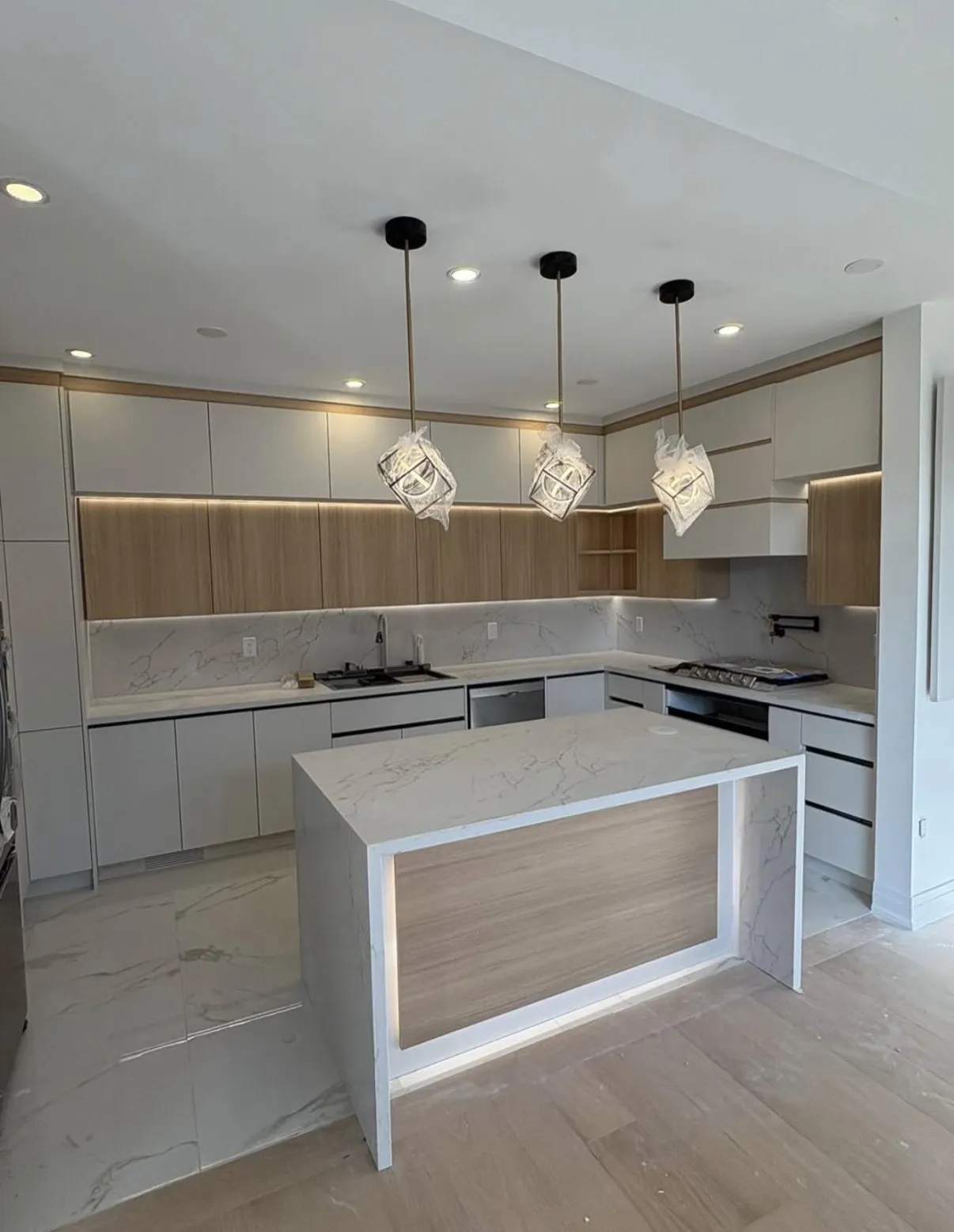
Identify the likely sources before choosing a remedy
List the work that will disturb existing materials and the new products proposed. Tell the contractor about known leaks, odours, previous water damage and any household concerns that affect the work arrangements. Have suspected hazardous materials assessed before disturbance.
Separate dust from demolition or sanding, emissions from products, moisture conditions and issues with combustion equipment. Those are different problems and do not all have the same solution. An air cleaner or open window does not replace removal or control of a contaminant source.
Health Canada identifies building products such as paints, glues, flooring and wood products as possible sources of indoor pollutants. Use the actual product and installation information to plan the work rather than assuming every material has the same emissions or release period.
Choose products and work arrangements deliberately
Ask for the product names and relevant instructions, including substrate preparation, ventilation, drying or curing, cleanup and return-to-use conditions. A low-VOC label is not a general guarantee that a product is harmless or that other renovation pollutants are controlled.
Agree how the work area will be separated from occupied rooms and how dust will be controlled and removed. Identify whether the household needs to avoid certain rooms during particular tasks. These arrangements should reflect the work and any assessed hazards.
Compare flooring and finishes by their intended use, emissions information, cleaning needs and the household’s preferences. Avoid promising that replacing carpet with hard flooring will resolve an allergy or improve everyone’s health. Moisture, cleaning, other sources and individual sensitivities also need consideration.
Manage moisture and ventilation beyond the installation
Address leaks and persistent moisture before concealing affected areas. Bathroom and kitchen exhaust can help remove moisture when it is properly designed, installed and used, but a new fan does not correct every cause of mould. Confirm where exhaust goes and the maintenance needed for the system.
Discuss any broader ventilation changes with an appropriate specialist. An HRV or ERV is not selected simply because a house is described as airtight; its suitability, installation and operation need to fit the actual home. Follow the requirements for any electrical or other associated work.
After finishing, follow product and system instructions and keep an eye on recurring odours, condensation or moisture. If a concern persists, investigate its source rather than adding more fragrance or assuming the renovation has solved it. Discuss individual health symptoms with a health professional.
Key takeaways
- Identify sources: dust, emissions, moisture and other hazards need different responses.
- Use actual product instructions and appropriate work-area controls.
- Ventilation helps, but it does not replace source control or leak repair.
Sources and further reading

Include a preferred date and time
Plan your renovation
Select the room or finish you want to change and describe how you use the space.
Prefer to send the details first? Request a quote or call (519) 501-5003.