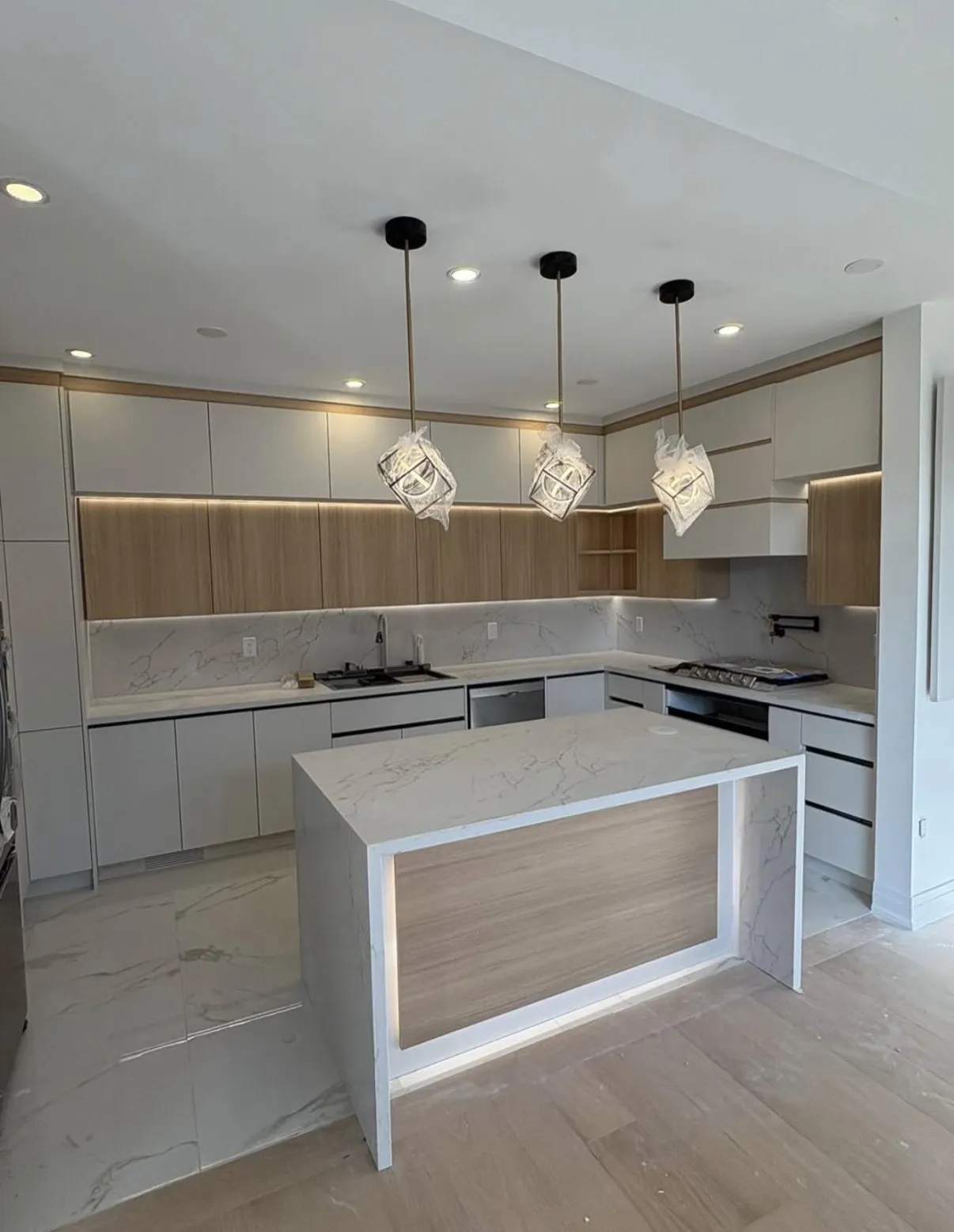
Prepare an application for the actual project
Begin with the municipality’s guidance for the property and proposed work. Confirm which forms, plans, existing-condition information and other approvals are needed. Zoning or another applicable requirement may need attention before the building permit can be issued.
Ask who is qualified to prepare the required drawings. The appropriate documentation depends on the project; it is not established by a universal rule that a hand sketch is sufficient or that every alteration requires the same professional package.
Make the proposal consistent across the plans, written description and quotation. Identify retained and new construction, relevant room uses and changes to building services. Keep a dated copy of what was submitted and a contact responsible for responding to questions.
Respond to review and confirm approval
Track whether the application is complete, what review comments remain and who is preparing each response. A published review timeframe is not an unconditional approval deadline. Missing information, design changes and other required approvals can affect the time to issue.
Check the issued permit and approved plans against the work about to begin. Where something has changed, ask how the revision must be approved. Do not rely on an earlier sketch or a supplier drawing that differs from the approved arrangement.
Keep separate records for approvals handled by another authority, including an ESA electrical notification where required. The building permit number should not be used as evidence that every trade-specific process has been completed.
Plan inspections and keep the close-out record
Ask for the inspections required by the specific permit and record when each must be requested. Establish hold points for work that needs review before it is covered. A photograph or a contractor’s progress update is not a substitute for an inspection required by the authority.
Keep inspection results and follow-up items together with the approved plans. If a deficiency is identified, record the required response and any reinspection before moving to the dependent work. Confirm the process for a change discovered on site.
At completion, obtain the relevant final inspection or close-out information and retain it with the property records. A building inspection is not a warranty for every aspect of workmanship. Ask separately about product care, contractual warranties and outstanding finishing items. Any assistance D&D provides with applications or inspections should be expressly included in the agreed scope.
Key takeaways
- A submitted application is not an issued permit.
- Track review comments and approvals separately from construction dates.
- Keep required inspection and completion records with the property documents.
Sources and further reading

Include a preferred date and time
Plan your renovation
Select the room or finish you want to change and describe how you use the space.
Prefer to send the details first? Request a quote or call (519) 501-5003.