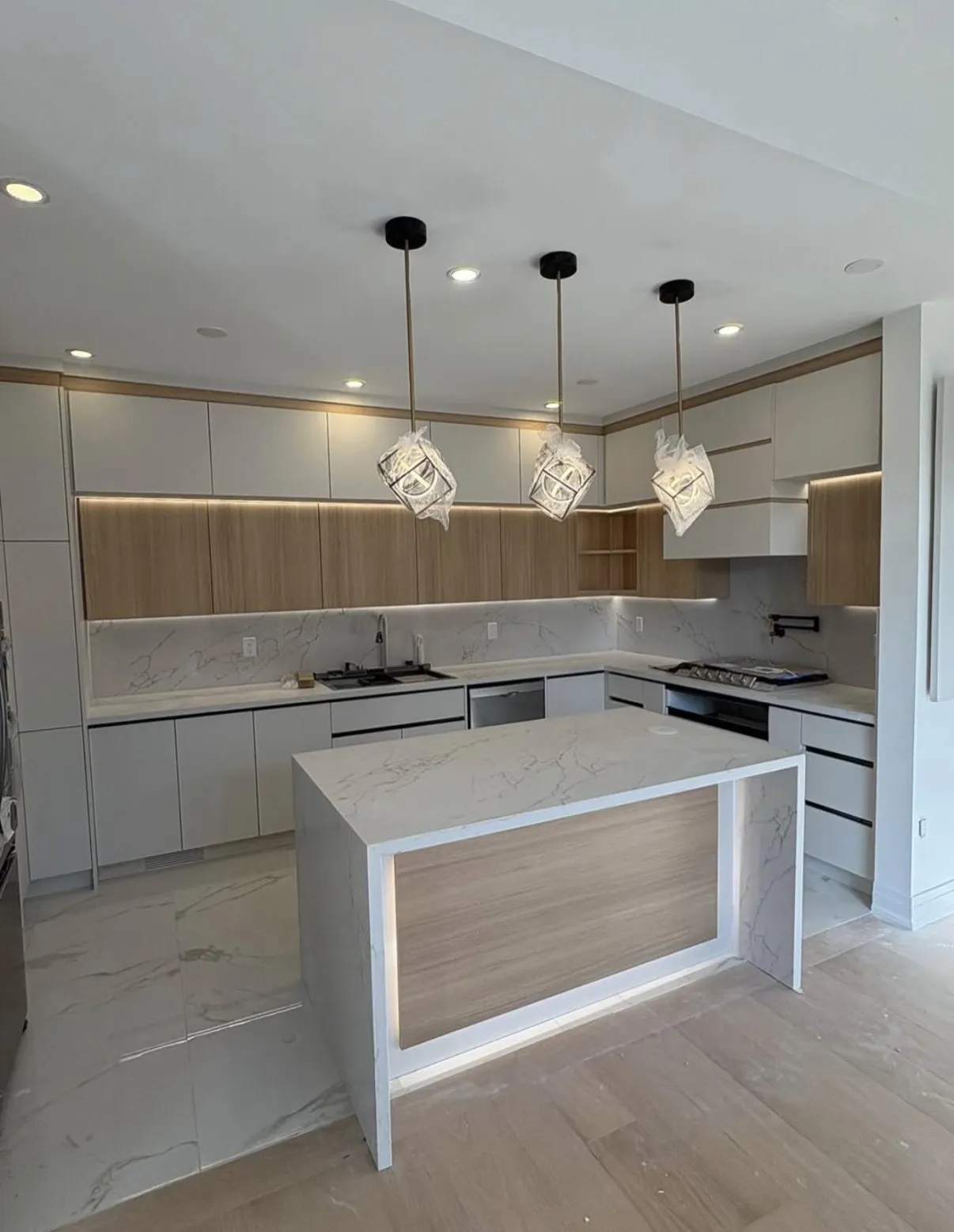
Separate urgent conditions from preferences
Start with the issues that make a space unsafe or unusable, such as an active leak or a suspected structural problem. Arrange appropriate assessment before choosing the replacement finish. New flooring is not a solution to an unresolved moisture source, and fresh paint does not establish that a damaged surface is sound.
For each non-urgent project, write the practical problem in one sentence: there is no usable preparation area, storage is difficult to reach, a room does not support its intended use, or a worn finish is hard to maintain. Then list a limited option and a more extensive option. That makes it easier to see whether a whole-room renovation is needed.
Do not assume paint always offers the highest return or that kitchens and bathrooms recover a fixed share of their cost. Your expected length of ownership, the existing condition and your actual priorities matter more to this decision than an unsupported general ranking.
Identify work that depends on other work
Make a simple dependency list before scheduling separate trades. If the kitchen layout may change, settle that before buying a floor that could be disturbed by the new cabinets or services. If a ceiling needs repair, understand that work before planning final decoration beneath it.
Sequencing is specific to the products and installation method. A floating floor, a fixed floor, cabinets and trim do not have one interchangeable installation order. Confirm the intended build-up and required clearances with the relevant installers and product instructions.
Compare doing connected work together with phasing it. One combined project can reduce repeated protection and access work, but it can also increase disruption and the cash commitment. Phasing can preserve a usable room while another is unavailable. Include those trade-offs instead of assuming the largest project is automatically the most efficient.
Keep a plan you can revise
| Project | Question for the priority list |
|---|---|
| Condition repair | What assessment or repair is needed before finishes? |
| Daily-use improvement | Which practical problem would the change solve? |
| Connected work | Would doing another task later disturb this work? |
| Appearance update | Can it wait without making other work harder? |
Use current quotations to compare the shortlisted options, including taxes, exclusions, temporary arrangements and unresolved work. Do not spend the entire available amount on visible finishes while leaving necessary investigations or completion work unfunded.
Review the plan when conditions, priorities or quotations change. Keep the reason for each decision, especially when something is deferred. A staged plan is a way to make deliberate choices; it is not a guarantee of a particular resale result or a reason to delay an urgent safety issue.
Key takeaways
- Prioritize condition and daily-use problems before appearance preferences.
- Plan dependencies between rooms and materials.
- Treat resale expectations as uncertain, not promised renovation returns.
Sources and further reading

Include a preferred date and time
Plan your renovation
Select the room or finish you want to change and describe how you use the space.
Prefer to send the details first? Request a quote or call (519) 501-5003.